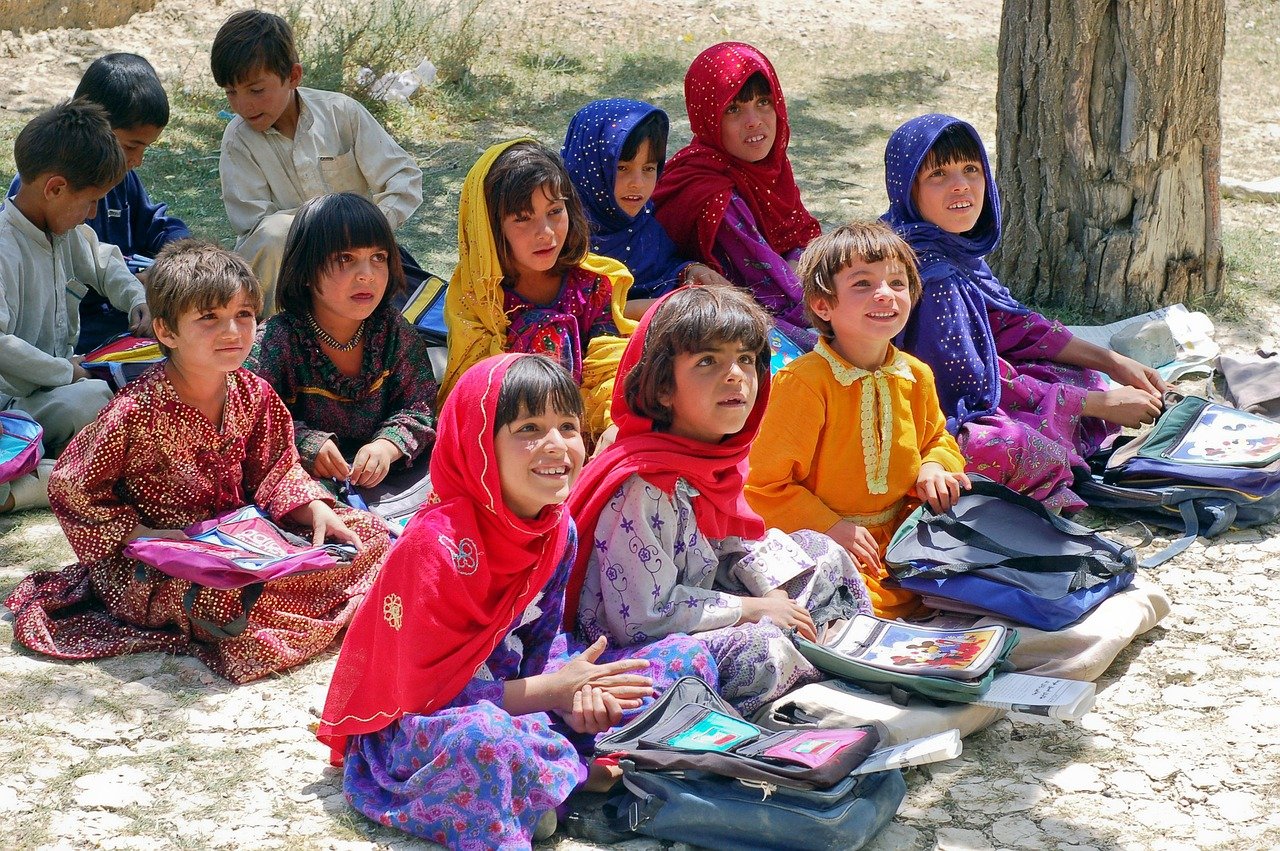
The people who built Afghanistan's human rights institution are rebuilding it in exile.
AHRC documents abuses and brings them to international courts and UN bodies, defends human rights workers, and educates a new generation of Afghan women. It is led by the people who ran Afghanistan's national human rights commission, and it runs on donations.
Where your gift goes matters. So does whose hands it goes into.
Most appeals ask you to trust a mission. This one asks you to look at a record. The people leading AHRC have spent their working lives turning what donors give into hospitals, schools, courtrooms, and evidence that holds up.
In whose hands your gift sits
Your gift is not going to a new organisation run by strangers. It is going to the people who built and led Afghanistan's national human rights institution, and who have decades of turning support into results people can see.
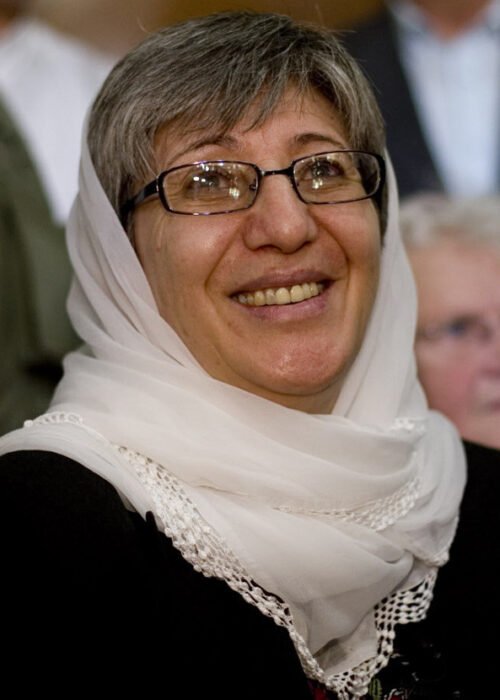
Dr. Sima Samar
Long before AHRC, Dr. Sima Samar showed what she does with the resources people trust her with. In 1989, as a refugee doctor in Quetta, she founded the Shuhada Organization to bring health care and schooling to Afghans, with a focus on women and girls. By its 2010 annual report it was running four hospitals and fifteen clinics and had built one hundred schools, with roughly sixty thousand children enrolled. Through the Taliban years of the 1990s, its schools were among the only places Afghan girls could study. More than thirty-five years on, it is still operating.
That lifetime of work earned the 2012 Right Livelihood Award, widely known as the Alternative Nobel Prize. She went on to found the Afghanistan Independent Human Rights Commission and chaired it from 2002 to 2019, and served as the United Nations Special Rapporteur on human rights in Sudan.
Figures from the Shuhada Organization annual report (2010) and the Right Livelihood Foundation (2012). Under Taliban rule since 2021, its work, especially girls' education, is now sharply restricted.
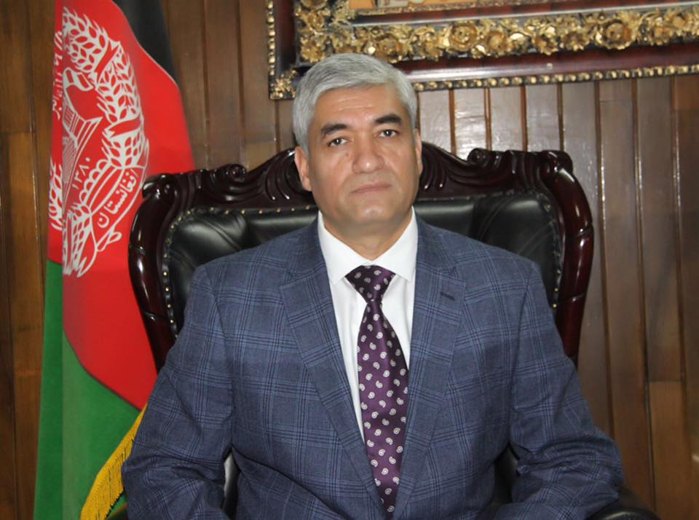
Mohammad Farid Hamidi
Attorney General of Afghanistan from 2016 to 2021, and before that a commissioner of the Afghanistan Independent Human Rights Commission for more than a decade. He led reform of the country's justice sector.
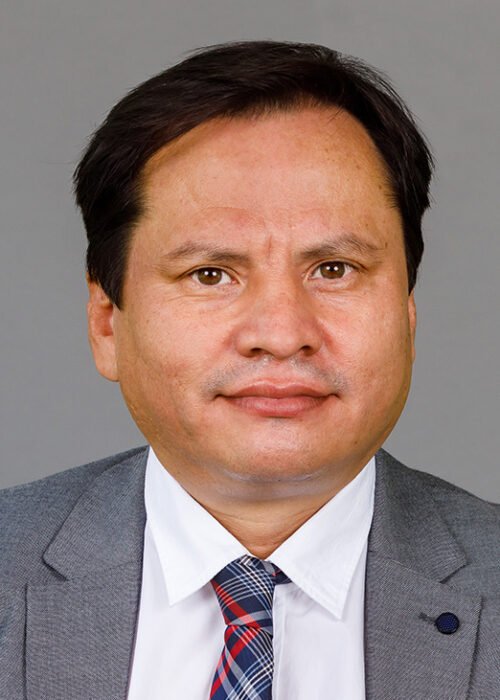
Mohammad Musa Mahmodi
Led the Afghanistan Independent Human Rights Commission as its executive director for about a decade. A 2020 Yale World Fellow and a research fellow in law at Yale Law School's Schell Center for International Human Rights.
What your support builds
AHRC is not only an archive. Documentation is the foundation, but the work runs from the evidence all the way to the courtroom, the classroom, and the people most at risk.
A researcher reads the Dari and Pashto sources, weighs them, grades each incident, and refuses to publish what cannot be supported. That judgement is the difference between a rumour and something a treaty body or a court can rely on.
The record is the evidentiary base for shadow reports to UN treaty bodies and filings to the International Criminal Court on the Taliban leadership and on attacks against ethnic and religious groups.
Human rights education and a planned online learning hub for Afghan women and practitioners who are shut out of schools and universities at home.
Practical support for human rights defenders in danger, and capacity building for the local groups still working under the hardest conditions.
civilian casualties recorded, 310 killed, 974 injured
people publicly flogged under court-ordered corporal punishment
journalists and media workers detained since August 2021
further decrees restricting rights issued during the year
None of those numbers gathered themselves. Each one is a stack of individually checked incidents, and the checking is what you would be paying for.
Why this matters now
The freeze and dismantling of USAID in 2025 pulled the ground out from under Afghan civil society, at the very moment international attention on Afghanistan is at its highest in years. Government funding is contracting worldwide.
That is exactly why individual giving matters now. A base of people who give a little every month is the one kind of funding no government can switch off, and it is what lets AHRC commit a researcher's time in advance instead of month to month.
What we will not pretend about money
As a newly established entity, the Afghanistan Human Rights Center (AHRC) is currently in the initial stages of securing funding. The center is exploring various avenues for financial support, including grants from international human rights organizations, contributions from charitable foundations, and donations from individuals passionate about promoting human rights and democracy in Afghanistan. Efforts are also underway to engage with governments that have shown commitment to supporting human rights initiatives in Afghanistan.
The budget page →Other ways to give
For larger gifts this avoids processing fees entirely. Contact us for details.
Recommend a grant to Afghanistan Human Rights Center, Inc. through your DAF sponsor.
Many employers double a gift. Send us the confirmation and we will complete the paperwork.
Foundations and governments funding rights documentation can reach our director directly.
Human rights work only continues while someone pays for it
A monthly gift the size of a streaming subscription, given for a year, is what turns "we hope to keep going" into "we have committed our people through next December."